How Microfinance Software Helps Manage Loans and Collections
by
SigmaIT Softwares
Posted on 9/29/2026 7:10:03 PM
Managing a microfinance operation involves much more than approving loans. Once a customer receives a loan, the institution has to track repayment schedules, collections, field activities, payment records, documents, outstanding amounts and financial reports. When these activities depend heavily on spreadsheets, paper records or disconnected systems, even a small delay can affect the accuracy of the entire process.
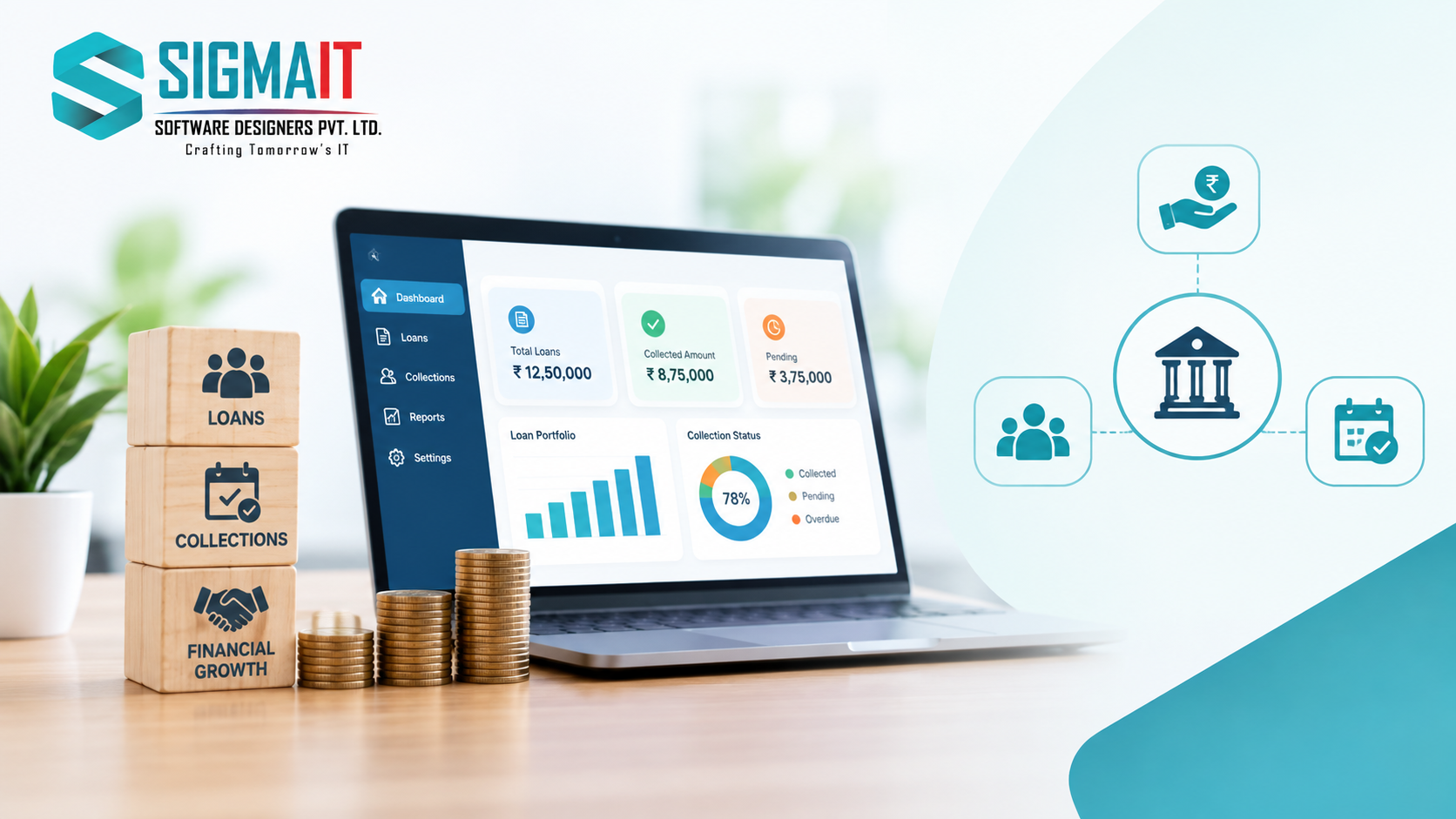
This is where Microfinance Software can make a practical difference. By bringing loan management, collections, payments and related operations into a centralized system, the software helps teams organize the lending lifecycle and maintain better visibility over day-to-day activities.
How Microfinance Software Supports the Loan Lifecycle
A loan passes through several stages before it is fully repaid. The process may begin with customer registration and KYC, followed by application processing, approval, documentation, disbursement and scheduled repayments. Each stage creates information that the institution needs to maintain and access later.
With a centralized Microfinance Loan Management Software solution, these activities can be connected within one system. Customer records can be maintained alongside loan information, repayment schedules and transaction details. As a result, staff do not have to repeatedly search through separate records to understand a customer's current loan status.
Managing Loan Origination and Approval
Loan management starts before the money reaches the customer. The institution needs to collect applicant information, verify documents, process the application and follow the appropriate approval workflow. A digital system can organize these steps and route information according to predefined business processes.
A Microfinance Software solution can support both Loan Origination System (LOS) and Loan Management System (LMS) capabilities. This allows organizations to manage the transition from loan application to active loan management within a connected environment. Straight-through processing can also automate applicable stages where the workflow allows it, reducing unnecessary manual intervention.
Keeping Customer and Loan Records Organized
Accurate customer information is essential for managing loans and collections. KYC details, scanned documents, loan records, repayment information and transaction history all contribute to the overall customer profile. When information remains scattered across different files, employees may spend considerable time locating and verifying records.
Microfinance Software can maintain these records digitally in a centralized platform. Scanned documents can be integrated and data can be extracted from applicable documents. The system can also generate required documents automatically, while digital receipts and eSignatures can support relevant paperless processes.
Improving Loan Disbursement
Once a loan receives approval, disbursement becomes another important stage. Traditional cash-based processes can require additional handling and reconciliation, particularly when institutions manage a large number of transactions across different locations.
Modern Microfinance Management Software can support cashless disbursement through multiple bank accounts. Depending on the organization's requirements, prepaid cards and other digital payment methods can also be incorporated. This creates a more organized process for recording and monitoring disbursement transactions.
Making Loan Collections Easier to Manage
Collections are at the heart of many microfinance operations. Field teams may collect repayments from customers according to daily, weekly or monthly schedules, while managers need visibility into what has been collected, what remains outstanding and which activities require attention.
A collection application can help field teams manage collection activities digitally and send relevant information back to the central system. In addition, UPI, payment links, eNACH and Standing Instructions can support different digital repayment requirements. These options give institutions more ways to manage collections beyond physical cash transactions.
Supporting Field Collection Teams
Microfinance institutions often operate through field teams that work directly with customers. These employees need access to relevant customer and loan information while working outside the office. At the same time, managers need to monitor field activities without waiting for manually prepared reports.
Android-based applications and mobile or web extensions can provide field-level access to required functions. Cash-in-hand analytics can also help organizations monitor collection-related cash activity. Consequently, managers can maintain better visibility while field staff can record transactions closer to the point of activity.
Automating Workflows and Collection Tasks
Loan and collection operations involve recurring tasks. For example, a particular application may need document verification, approval, disbursement and follow-up actions in a defined sequence. Manual coordination can make it difficult to maintain consistency when the number of customers and transactions increases.
A configurable workflow system can assign tasks automatically and apply predefined rules to relevant processes. A rules engine, task framework and applicable BMPL-compliant workflows can help organizations structure these activities according to their operating requirements. This makes the software more adaptable to different loan products and collection processes.
Monitoring Payments, Accounting and Reconciliation
Recording a collection is only one part of the process. Financial teams also need to reconcile transactions, maintain accounts and prepare management reports. If collection data and accounting records remain disconnected, staff may need to spend additional time comparing information from multiple sources.
Microfinance Software can connect collection and financial operations within a centralized platform. Real-time accounting, cash management, reconciliation and MIS reporting can provide management teams with a clearer view of financial activities. API-based and file-based processing can also support applicable transaction flows and integrations.
Managing More Than Loans and Collections
Many microfinance organizations handle services beyond conventional lending. As their operations grow, they may need additional financial services within the same technology environment rather than maintaining separate systems for every activity.
Depending on business requirements, a Microfinance Software solution can support services such as Micro-ATM, Domestic Money Transfer, RD and FD origination, recharge, bill payment and applicable insurance services. Mobile banking functionality can also be incorporated where required. This gives organizations scope to configure the platform around their broader operational model.
Why Customizable Microfinance Software Matters
No two microfinance institutions necessarily follow the same lending and collection process. Loan products, approval rules, repayment schedules, branch structures, field operations, and reporting requirements can vary considerably. Therefore, software that allows workflows and modules to be configured can be more practical than a rigid system.
A customizable solution can accommodate changing requirements through configurable workflows, integrations, user access, and operational modules. As an institution adds products, branches or digital payment methods, the software can be extended accordingly instead of forcing the organization to redesign its entire operational process.
Conclusion: Build a More Connected Loan and Collection Process
Effective loan and collection management depends on having accurate information available at the right stage of the process. Microfinance Software brings customer records, loan processing, disbursement, collections, payments, field operations, accounting and reporting into a connected environment.
For an MFI considering a software solution, the key is to first map its actual lending and collection workflow, identify areas that require automation, and determine which integrations and mobile capabilities are necessary. A solution such as SigmaIT Microfinance Software can then be configured around those requirements, helping organizations manage their loan lifecycle and collection operations through a centralized platform.